The unconscious mind is extremely powerful, it stores all the memories, beliefs, habits and behaviours that us wonderful human beings have developed since our very beginnings. Our internal and external reactions to any external stimuli automatically derive from our unconscious mind, in other words, it’s this stored data that will determine our reaction. Our mind naturally wants to keep us safe, well, and happy, the mind tries to provide us with good information in order to do this, however depending on our experiences and beliefs, sometimes it provides poor information.
From time to time it stores and provides us with poor information, or irrational fears, which results in many of our everyday problems. From the day we are born we learn by modelling other peoples behaviours and beliefs (many of which can be unhelpful), and we also place significant prominence on our own emotional experiences (again a lot of which can be negative) and both these conditioned and learned responses stay with us over time.
About Hypnosis:
Hypnosis is a truly amazing and powerful tool that can help clients affect change in a most natural way. The subconscious mind is where everything you have learned has been stored, this can include irrational fears and habits
To explain this simply, think of a fear which is irrational, such as a fear of moths. We are not born with an inherent fear of these creatures, in fact on the contrary, we are born with a naturally positive curiosity for all things within our immediate environment. Fears such as this, can only be developed in one of two ways – either we witness other people’s fear and model our response accordingly (a conditioned response); or we have a negative experience ourselves that becomes the prominent information stored in our subconscious (a learned response) often not knowing where or how it started, and as such, fear becomes our unilateral response to such creatures, insects or animals.
And then over time, as we develop these unhelpful beliefs (moths can hurt me), or unwanted behaviours (e.g. going into panic at the mere sight of a moth), we simply end up re-accessing and replaying these unhelpful beliefs and behaviours time and time again, hence they become our habitual response. The same model can be applied to any phobia, addiction, stress or anxiety response, self-esteem issue, allergy – more or less all of our other unhelpful responses in life.
The battle we face is that we cannot consciously control our unconscious. If you think for a moment about a skill you learnt, like how to read or ride a bicycle – a learnt behaviour or skill, that we store in our unconscious and can access as and when we want or need – you would be unable to consciously forget how to read or ride a bike. This same principle applies to addiction, phobia or anxieties. To change any of these often ingrained unhelpful responses, we first need to change the information stored in our unconscious mind, providing the unconscious with newer and more helpful, positive, information and beliefs. This can be achieved through hypnosis.
Hypnosis is hugely effective because it bypasses the conscious mind and creates an alternative state of consciousness, during which attention is focused away from the present reality. Rather like day dreaming, attention can then be focused towards particular images, thoughts, feelings, perspectives and behaviours which will help us to change or update the information stored in our unconscious, allowing change to these often extremely unhelpful habitual responses.
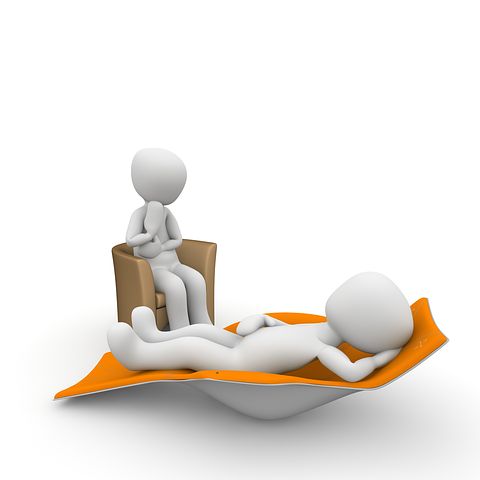
Hypnotherapy is a safe, relaxed and enjoyable process that can change lives in the most positive and exciting of ways. Our bodies already have a natural ability to allow us to live normal, happy and fulfilling lives, and occasionally these natural mechanisms need a little help operating properly, or getting back into full working order.
Hypnotherapy is a very gentle, enjoyable and relaxing experience, with excellent results. Read my hypnotherapy testimonials, for some feedback received from just some of my hypnotherapy successes.
 Fine Thought Therapy